

Rural Health
More than half of rural U.S. counties lack hospital-based obstetric care, forcing pregnant patients to travel far distances for routine prenatal checkups and high-risk monitoring. Babyscripts extends clinical care beyond clinic walls, keeping high-risk mothers safe and connected regardless of zip code.
Traditional Model vs. Digital Care Collaboration
.gif "Care Collaboration - Traditional Model with Fragmented Rural Health Care")
Traditional Care Model
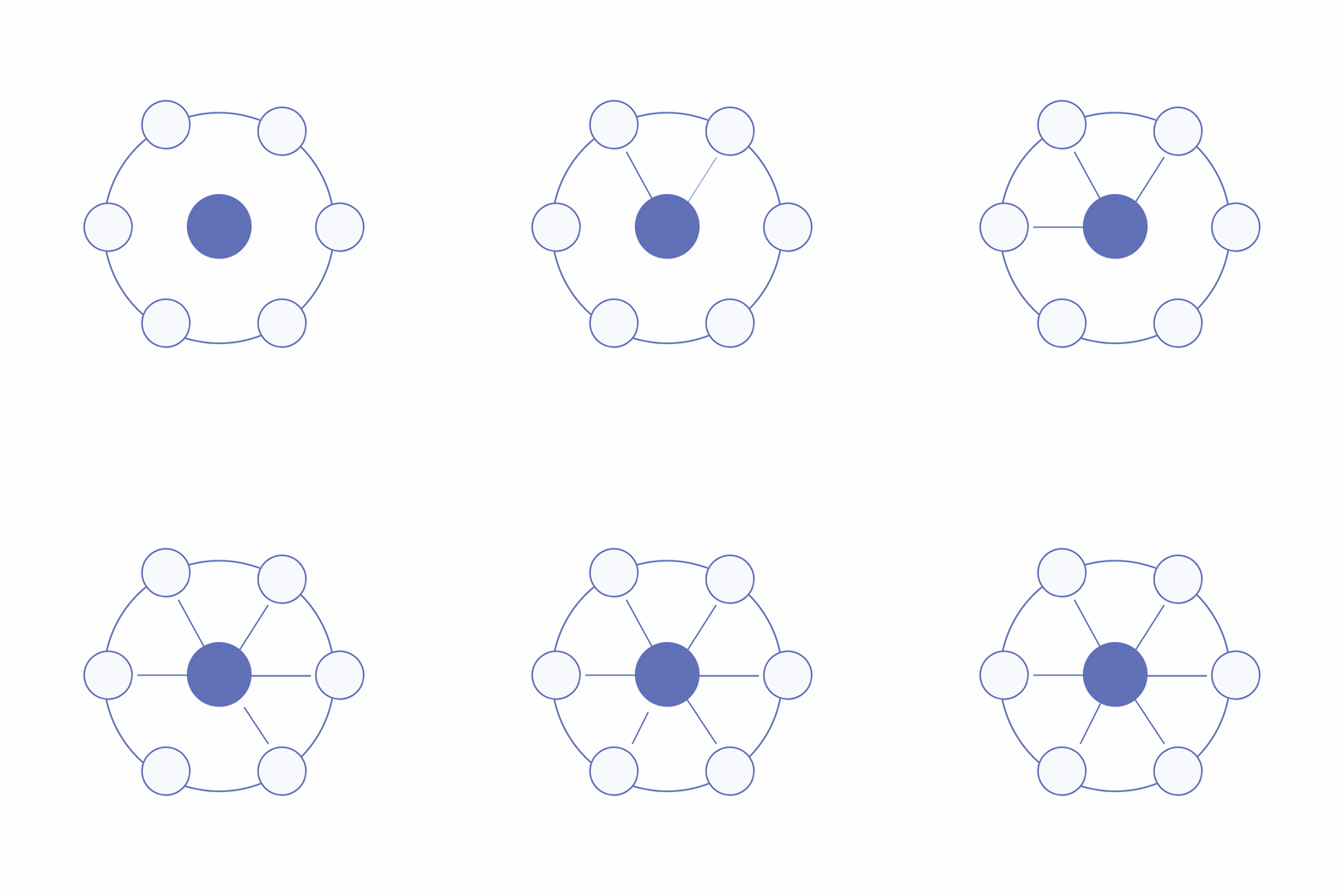
When patients interact with dispersed rural clinics, data often stays disconnected from community resources and health plans or Medicaid - who are unaware of the pregnancy episode during early gestation - resulting in underutilized benefits and increasing the risk of negative impacts to the patient.
Digital Care in RUral HEalth
Digital platforms enabling connected care not only improve resource utilization, but also equip rural clinical teams with continuous vitals, alerting them early to risks. Payers also benefit from early risk identification, and patient experience improves with social resources targeting SDoH factors like food, transportation and housing.
Rural Maternity Care
Digital maternity platforms and connected remote monitoring tools show measurable clinical and operational success in rural populations.
Obstetrics & Gynecology Green Journal
Connected Remote Blood Pressure Monitoring
Evaluated connected health-enabled remote blood pressure monitoring for hypertensive disorders of pregnancy:
- Early Detection & Engagement: Continuous surveillance enables rapid detection of elevated blood pressure trends between routine prenatal visits, allowing for timely medication adjustments before a hypertensive crisis occurs.
- Reduced In-Person Strain: Remote monitoring maintains clinical vigilance while reducing the travel burden on rural patients who live miles away from tertiary care centers.
NEST-Rural Study
Postpartum Support in Rural Populations
Clinical research (NCT06682520) evaluates health system-integrated models for postpartum education, monitoring, and support in rural communities:
- Postpartum Coverage: Transitioning care seamlessly from prenatal to postpartum reduces emergency department visits during the critical 12-week postpartum window.
- EHR Integration: Direct integration into health system workflows allows rural care teams to track patient-reported data without adding manual charting friction.
How Digital Maternity Solutions Help Rural Providers
Capability |
Impact on Rural Health Systems |
Impact on Patients |
| Connected RPM | Automated blood pressure and glucose tracking with instant alert triaging. | Fewer long-distance travel trips for routine vitals checkups. |
| App-Based Digital Education | Standardized, gestational-age-specific mobile content and risk surveys. | 24/7 access to trusted clinical guidance. |
| EHR Integration | Bi-directional data flow into existing clinical billing and EHR systems. | Less burden to communicate the same information or data to different teams. |
| Care Coordination | Shared risk tracking between OBs, midwives, health plans, and community partners. | Wraparound social and clinical support across fragmented regions. |
Policy & Funding Opportunities
The Rural Health Transformation Program (RHTP)
RHTP provides vital federal funding for states looking to stabilize rural healthcare infrastructure. Over 35 states have highlighted maternal and child health in their applications, specifically directing grant dollars toward:
-
Virtual prenatal and postpartum care models.
-
Connected remote blood pressure and glucose monitoring tools.
-
Expanding digital touchpoints in areas that have lost hospital OB units.
Virtual Care Resource Center

Intersecting Challenges in Maternity Care: Proposed CMS RPM Changes, OB Code Unbundling, RHTP & TMaH
Proposed CMS RPM changes add complexity to a massive overhaul of obstetric billing (unbundling), alongside intersecting challenges of RHTP and TMaH.

The One Big Beautiful Bill Is One Big Mixed Bag for Digital Maternal Health
The health provisions in the OBBB may exacerbate access issues for maternal health, despite promising opportunities for rural and digital health.

3 Ways Digital Health Can Make Your Doctors' Lives Easier
Digital tools can address problems created by healthcare staffing shortages and closing hospitals in 2022, especially in rural regions.
The Rural Health Transformation Program Can Advance Maternal Health
The Rural Health Transformation Program is an opportunity to implement digital infrastructure with long term benefits for maternal health in rural America.
Ready to bridge the care gap for your rural community?
Improve communication between providers and health plans while centering the patient experience. Schedule a demo to learn more.