





Better Maternal Health Outcomes Start with
Early Risk Detection
Babyscripts outcomes data shows a 13 day reduction in the time to detect preeclampsia and elimination of disparity in remote monitoring data capture between Black and White patients, while raising the rate of ascertainment for both groups.
Learn more
Patient-centered, from Pregnancy through Postpartum
Improve Care Plan Adherence & Coordination
- Gestational age-appropriate, clinically-validated pregnancy information
- Checklists, health risk assessments and more to shape better user behavior
- Out-of-the-box, customizable omnichannel communications campaigns to educate and inform patients in real-time
- Dashboard with access to up-to-the-minute remote monitoring data to enable social and clinical risk detection, including blood pressure, preeclampsia, mental health, and social determinants of health
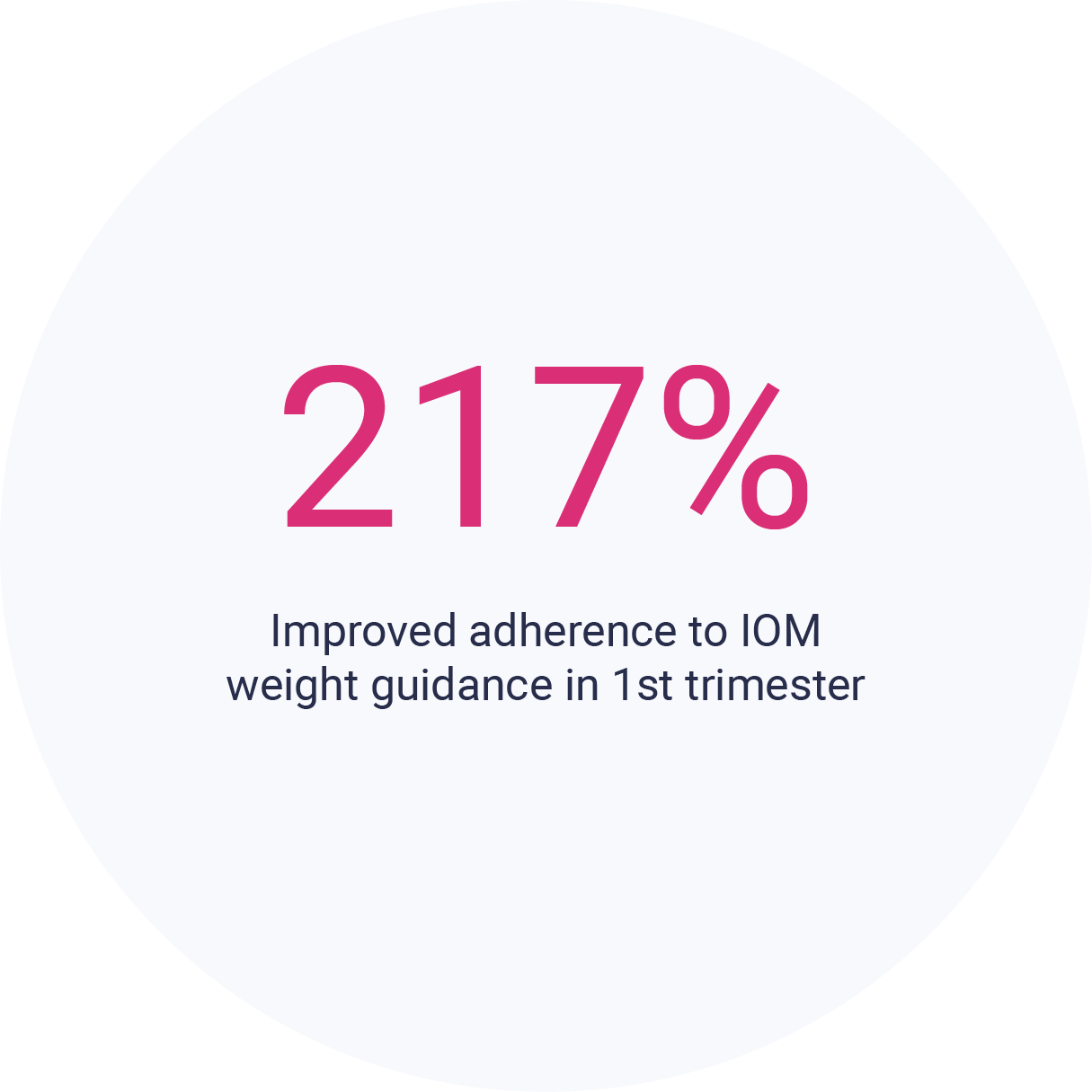
Data and clinically-backed tools to
Identify Risk Earlier
- Real-time risk management with end-to-end, intelligent remote patient monitoring
- Continuous care management oversight, including monthly and ad-hoc check-ins, supported by automated response protocols
- Smart trigger system to combat alert fatigue
- Configurable, risk-specific programs and workflows tailored for OBs
- White-glove RPM deployment to reduce physician workload and administrative lift
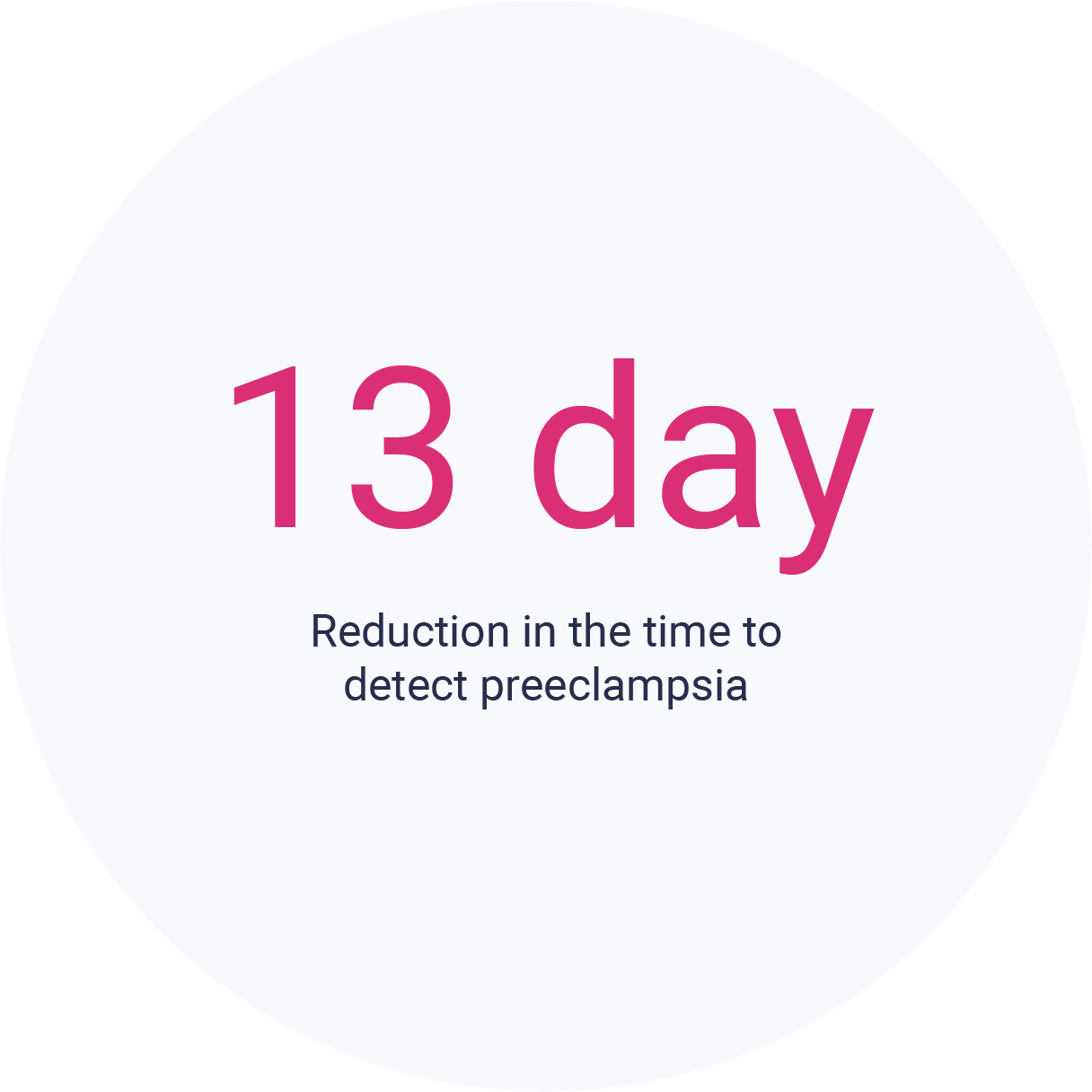
Care management layer to
Extend the Care Team & Reduce Staff Burden
- State-licensed care managers (RNs & CNAs/MAs) operating under the supervision of the HCP
- Structured, evidence-informed protocols aligned with ACOG and SMFM guidelines for continuous oversight of RPM
- Proactive care coordination to close gaps and escalate concerns
- White-glove RPM deployment to reduce physician workload and administrative lift
- Seamless workflow integration through the EMR
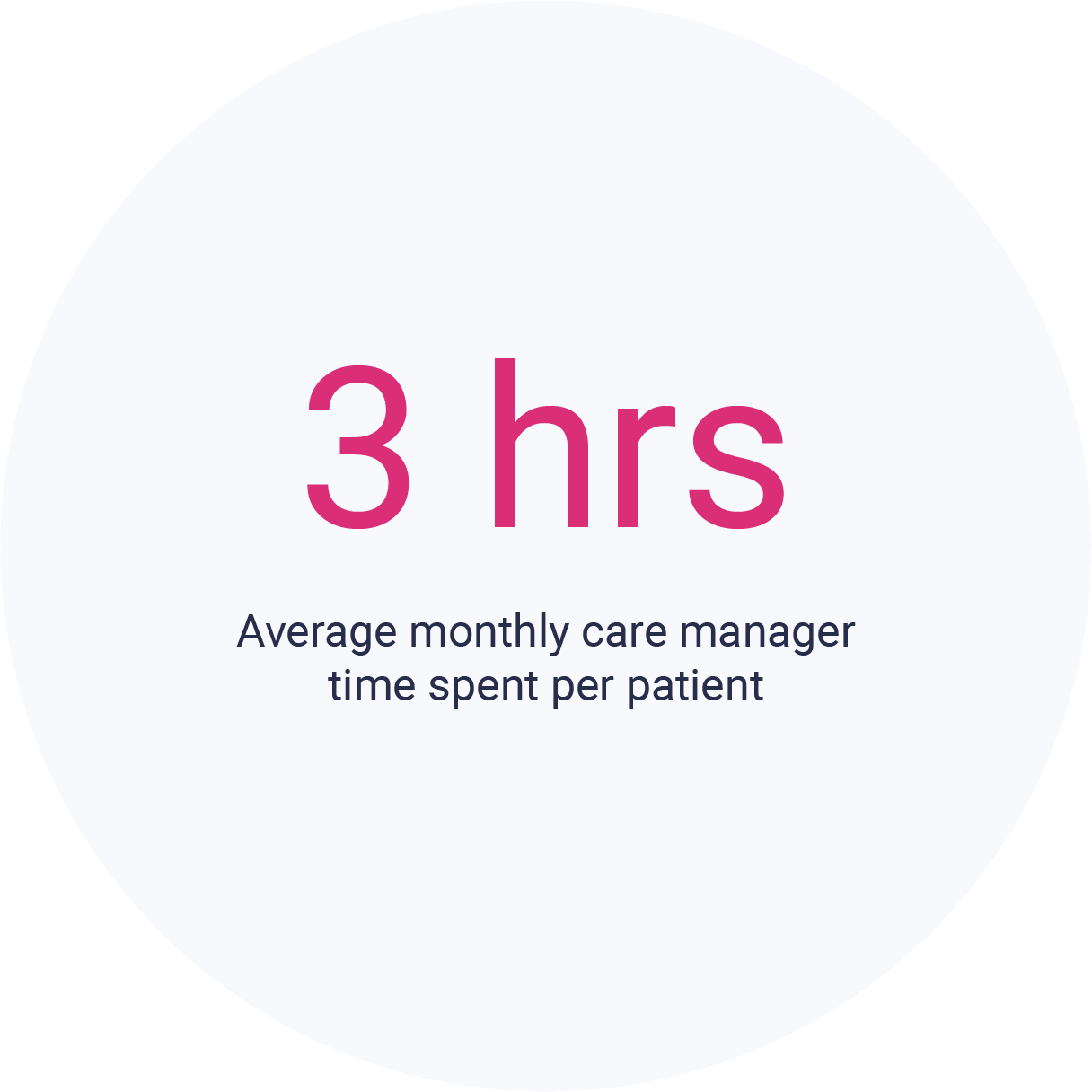
Proprietary RPM model to
Enable Scalable Growth
- Structured enrollment process to confirm medical necessity for billable codes
- Data collection and transmission in compliance with CMS and commercial payer requirements
- Documentation and time-tracking for accurate billing
- Revenue cycle expertise to support claims submission and EOB adjudication
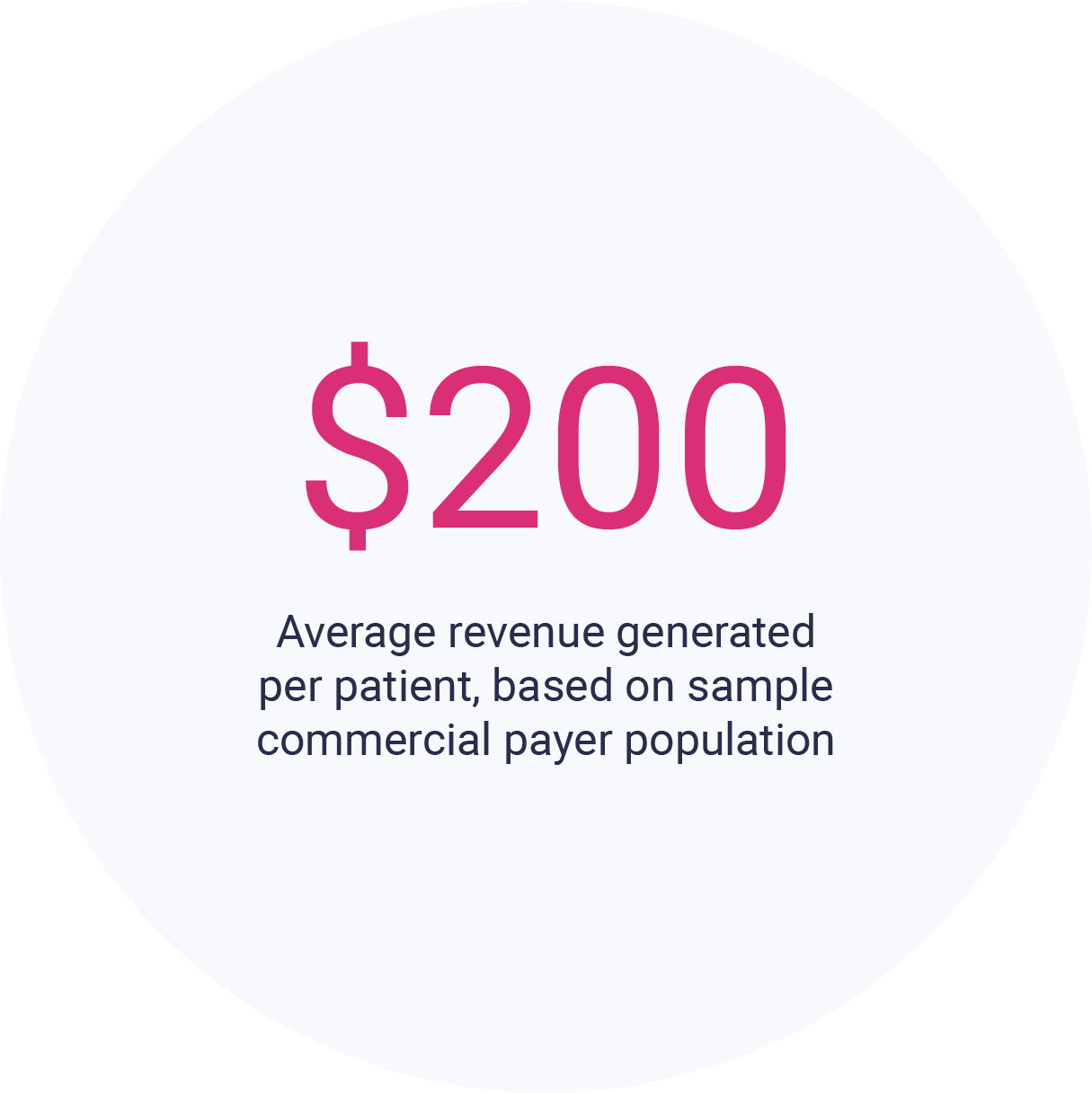
How Babyscripts Works
One model provides escalating layers of support as a patient’s needs change:
Every enrolled patient gets continuous digital support from their first OB visit through one year postpartum (education, screening, symptom tracking, mental health check-ins).
For patients who need to be watched more closely, connected devices bring physiologic data (blood pressure, glucose) into the care pathway continuously. Driven by customizable thresholds and protocols by clinic.
OB-trained care managers respond (outreach, escalation, medication and adherence support, SDoH navigation) and patients are routed to their team via a designated channel.
Warm handoffs to vetted community and clinical partners to support patients with lactation, perinatal mental health, pelvic floor PT, doulas, nutrition. Closing the loop beyond what your clinical team can staff.
Case Study: Detecting risk earlier with remote patient monitoring
Health system, 2500 annual pregnancies
13 day reduction in average time to detection of preeclampsia, and patients were 28% less likely to exceed their expected MS-DRG.
Case Study: Leveraging omnichannel engagement to increase HEDIS adherence
Regional health plan
Improvements in HEDIS adherence across the board, including: dental visits, comprehensive diabetes care, and contraceptive care.
Case Study: Improving patient monitoring & reducing staff burden
Private practice, 600 annual pregnancies
Ongoing patient engagement with 95.24% BP cuff activation rate, 97.62% compliance with first reading and 90% monthly compliance.
Patient Experience
80 NPS
A Patient Experience Net Promoter Score (NPS) measures how likely patients are to recommend the Babyscripts myJourney app to others, which serves as a key indicator of overall patient satisfaction and service quality. 8 out of 10 patients recommend Babyscripts, compared to the 4.5 average in healthcare.
Virtual Care Resource Center
Intersecting Challenges in Maternity Care: Proposed CMS RPM Changes, OB Code Unbundling, RHTP & TMaH
17 August, 2026Maternity care in the United States is standing at an unprecedented operational crossroads. Over the next two years, hea...
Understanding the changes coming to obstetric services billing — and how to prepare now
4 March, 2026Over the next two years, obstetric care will undergo one of its most consequential administrative shifts in decades. ACO...
Moms Deserve A Safety Net: Expanding RPM Beyond High Risk Pregnancies
21 January, 2026Policymakers and payers have come a long way towards providing opportunities for remote patient monitoring (RPM) in preg...